
The Art of Pasta: A Journey Through Italian Cuisine
Italy, a land renowned for its rich history, vibrant culture, and of course, its exquisite cuisine, holds a special place in the hearts and stomachs of food lovers worldwide. Among the many culinary delights that this country has to offer, none is more iconic or beloved than pasta. This simple yet versatile ingredient has become synonymous with Italian cuisine, and its preparation and consumption is a daily ritual in many Italian households.
Origins and Traditions
The origins of pasta can be traced back to ancient civilizations, where early forms of noodles were made from various grains and legumes. However, it was in Italy where pasta truly flourished, evolving into the myriad shapes, sizes, and flavors that we know today. From the thin, delicate strands of spaghetti to the hearty tubes of rigatoni, each type of pasta is perfectly suited to a specific sauce or dish, reflecting the regional diversity and culinary traditions of the country.
The Art of Making Pasta
The process of making pasta, whether by hand or with a machine, is a labor of love that requires skill and precision. Fresh pasta, made from a simple mixture of flour, water, and sometimes eggs, is kneaded until smooth and elastic, then rolled out and cut into the desired shape. This fresh pasta, known as "pasta fresca," is often considered superior to dried pasta due to its tenderness and ability to absorb flavors more readily.
A World of Sauces and Flavors
Pasta's true magic lies in its ability to harmoniously marry with a wide array of sauces and ingredients. The classic tomato-based marinara sauce, with its bright acidity and hint of herbs, is a staple in many Italian kitchens. But pasta can also be dressed with creamy Alfredo, rich Bolognese ragù, or light pesto made from basil, garlic, pine nuts, and olive oil. Seafood lovers can indulge in dishes like linguine alle vongole (linguine with clams) or spaghetti with a spicy puttanesca sauce. And for those seeking a vegetarian option, there are countless variations featuring vegetables, beans, and cheeses.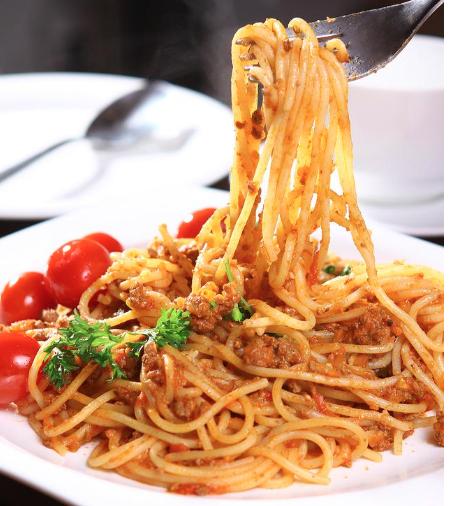
Regional Specialties
Italy's diverse regions each have their own unique pasta dishes that reflect the local ingredients and culinary traditions. In the north, Piedmont boasts its rich and creamy agnolotti filled with meat or vegetables. Emilia-Romagna is famous for its tortellini, delicate pasta pockets filled with a mixture of meat and cheese. In the south, Naples is renowned for its pizza and pasta dishes like spaghetti alla puttanesca, while Sicily offers dishes like pasta with sardines and wild fennel.
A Symbol of Italian Culture
Beyond its deliciousness, pasta is also a symbol of Italian culture and tradition. It is often served as a comfort food, bringing families and friends together around the table. Whether it's a quick and easy weeknight meal or a celebratory feast, pasta always finds a way to warm the heart and satisfy the soul.
Conclusion
In conclusion, pasta is not just a food; it is a way of life in Italy. Its versatility, rich history, and deep cultural significance make it a staple of Italian cuisine that continues to captivate and delight food lovers around the world. Whether you're enjoying a simple plate of spaghetti with marinara sauce or indulging in a more elaborate pasta dish, there's always something special about the art of pasta that leaves a lasting impression.
Article URL: http://wwwxxx.com//gourmet/zhineng/3.shtml